Guided, evidence-grounded paths tracing how a lighthouse, light, lens, place, or memory changed through time.
For articles, memories, project notes, and cultural material from the wider archive, see Stories.
LUX Light Archive is the heritage renderer of the LUX143 research field, preserving lighthouse continuity through evidence, memory, movement, and sources.
Lighthouse heritage is not always fixed in one place.
A tower may remain on a coast.
A lens may move to another lighthouse.
A fragment may become a museum object.
A single optic may split into more than one heritage identity.
LUX follows these transformations through evidence-backed relationships — from object splits like The Great Light to museum relocations like the Cape North tower.
Helping people recognize heritage that is no longer obvious.
Identity Through Transformation
A lighthouse is not always a single object. Its tower, lantern, lens, optic, foundation, and historical identity may continue different lives.
LUX follows these transformations as relationships, preserving dates, confidence, source evidence, and review status for every claim.
Story and Research are renderer modes inside LUX Light Archive: Story gives a guided heritage-continuity path, while Research exposes evidence, sources, relationships, uncertainty, and provenance.
Start with one optic that became two heritage identities — the clearest object-split case in the archive.
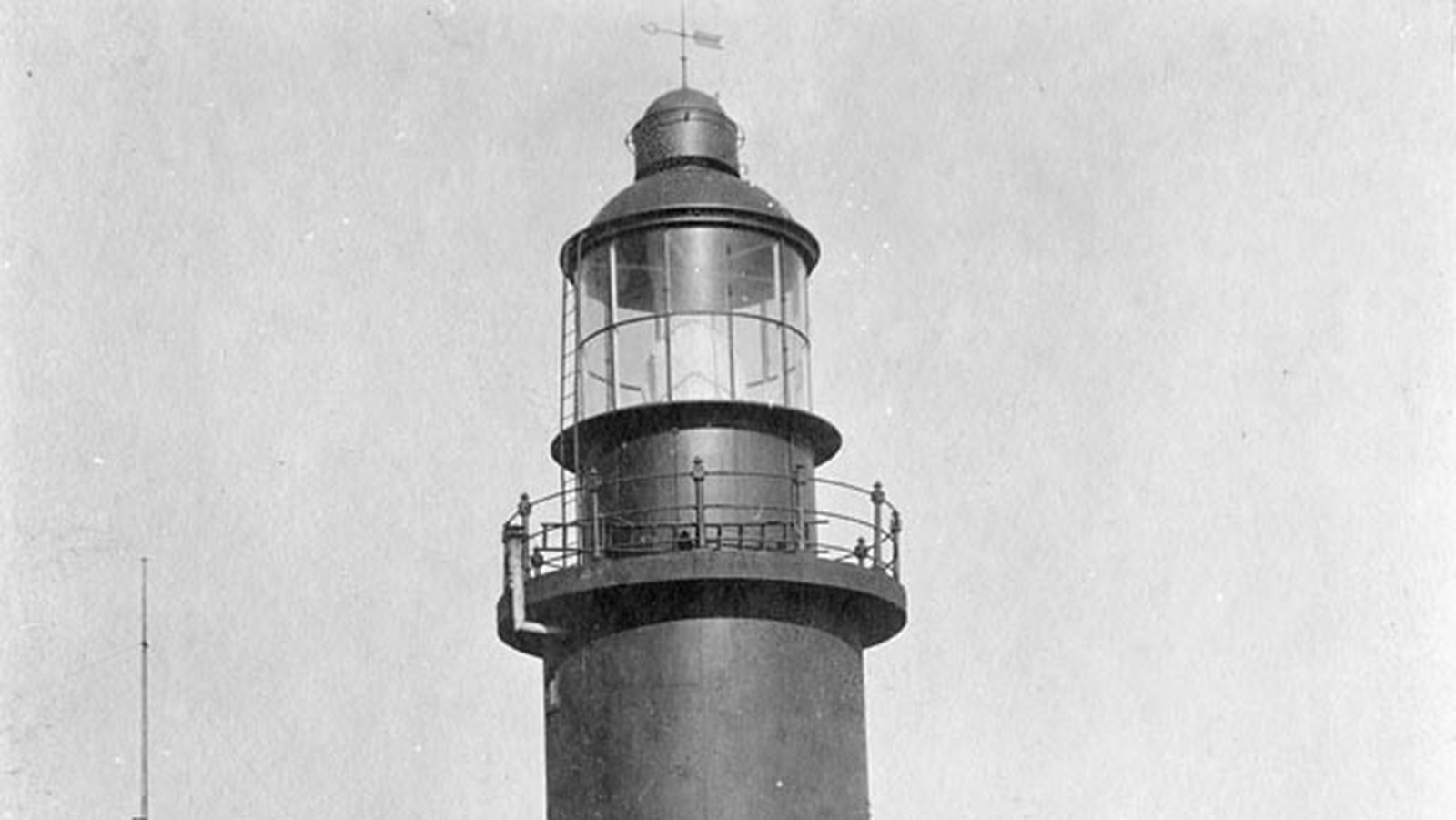
In 1887 Barbier & Fenestre manufactured the hyper-radial lenses installed at Tory Island. Chance Brothers reconstructed the apparatus in the 1920s into two biform branches: one at Tory Island and one later installed at Mew Island and preserved as The Great Light in Belfast.
Follow a lighthouse tower that left the coast and continued as museum heritage.
The Cape North lighthouse tower served on the Nova Scotia coast until 1980, when it was dismantled, moved to Ottawa, and reassembled at the Canada Science and Technology Museum.
Medium-confidence museum relocation case study with visible open questions.
When the tower is gone, keeper and community memory can still carry the light.
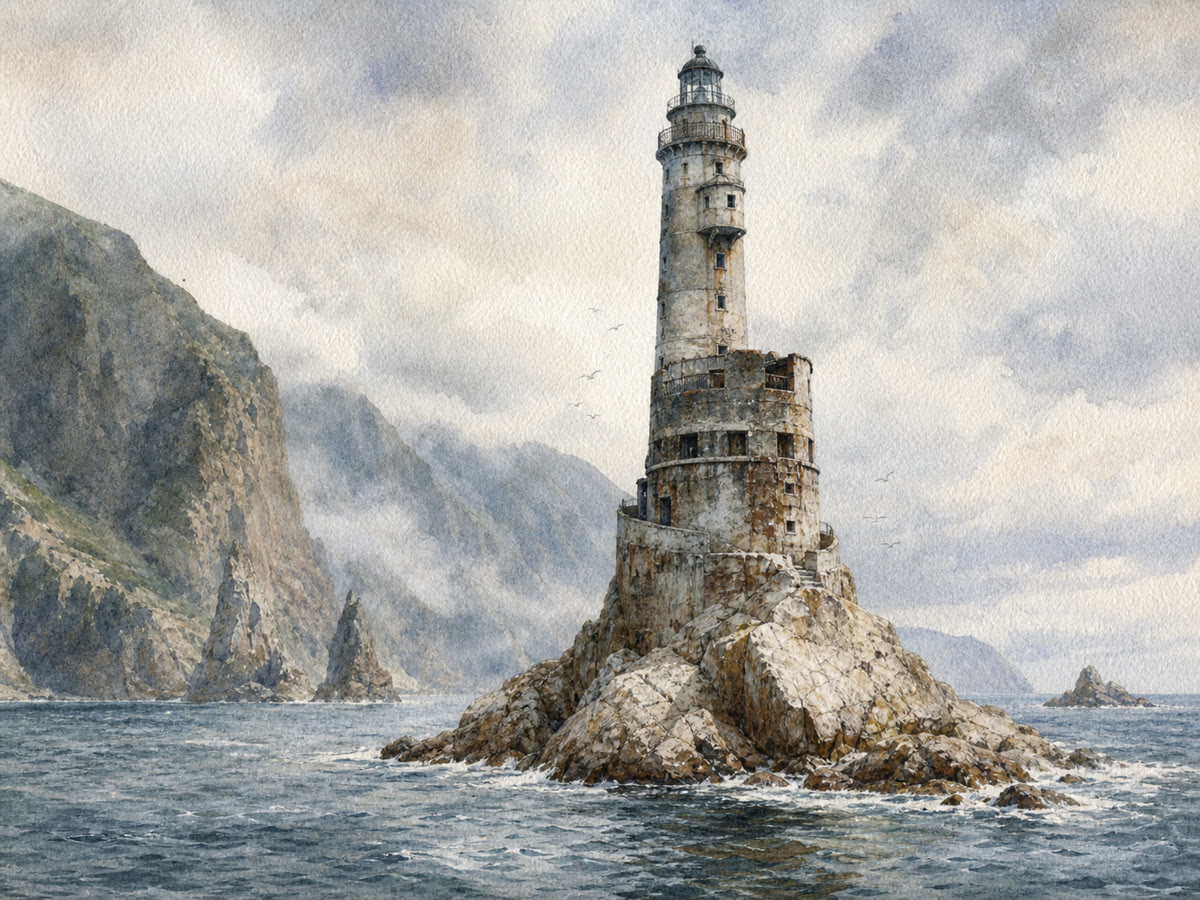
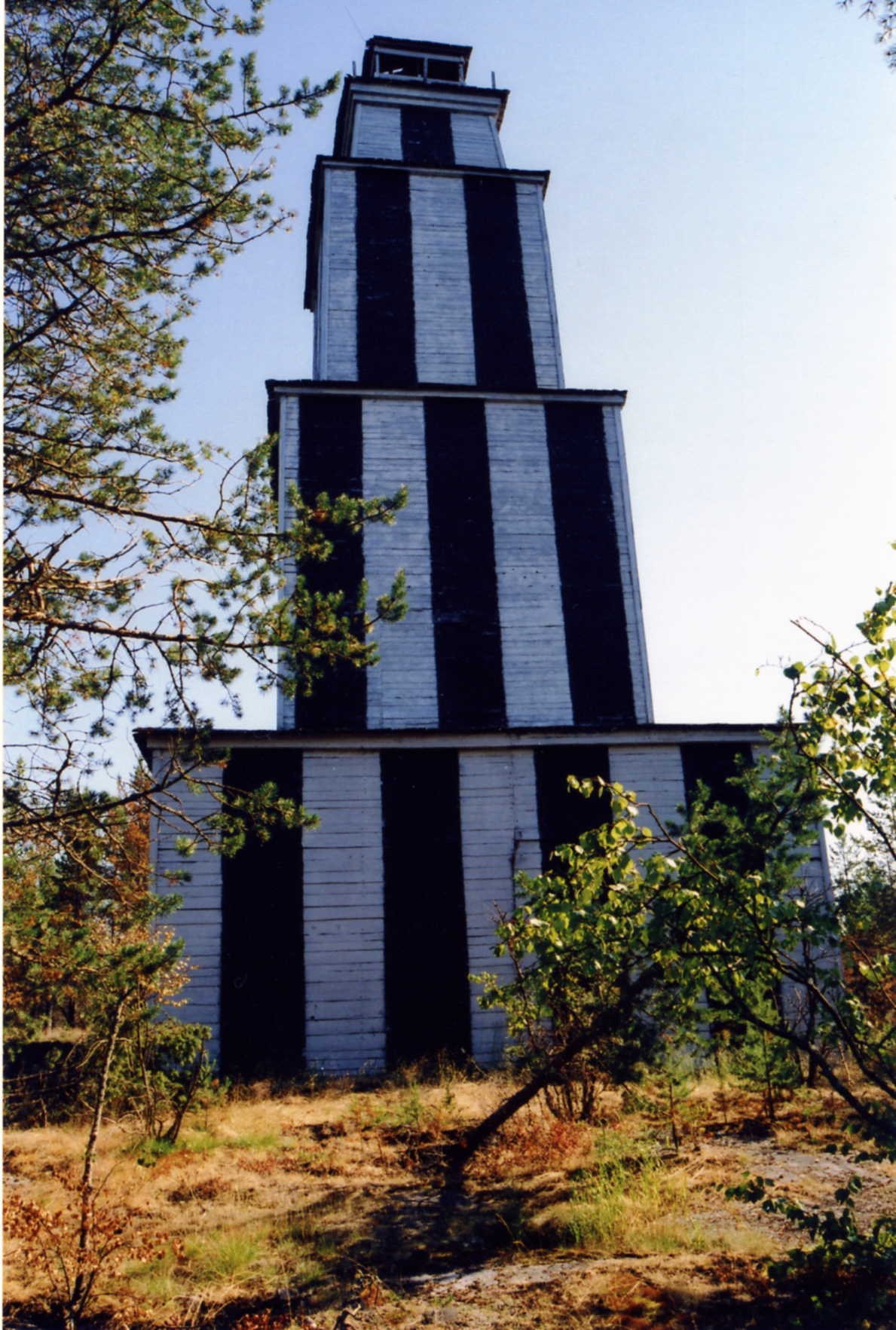
A striped wood tower on Vasilisin Island in Lake Onega was destroyed by ground fire circa 2011–2014. Archive sources, models, and a family preservation project keep its memory alive.
A harbor light that vanished quietly — memory, postcards, and open questions still trace its identity.
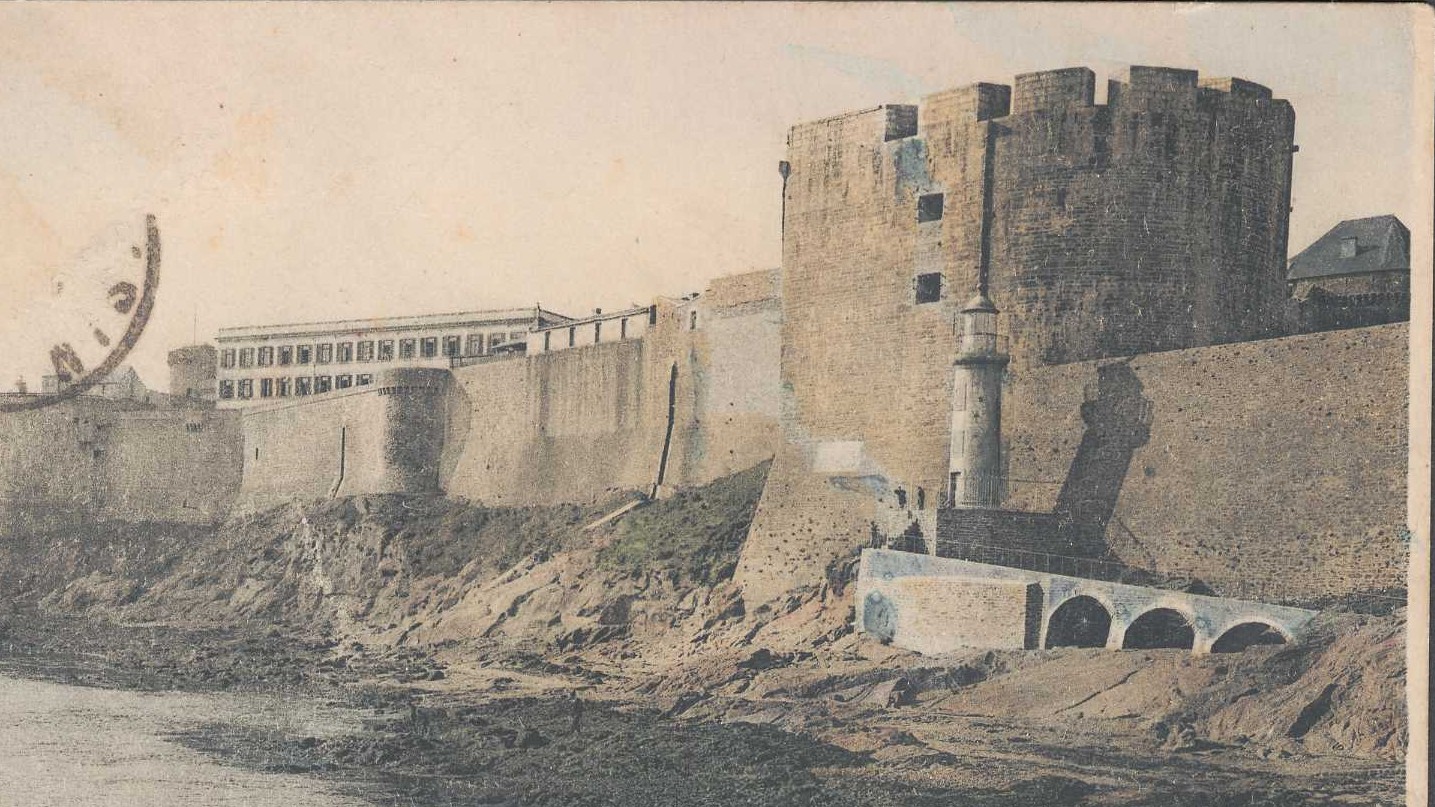
Postcards show a harbor light at the foot of the Château de Brest. Jean-Christophe Fichou's inventory records first lighting on 1 December 1905, a 12 m stone turret with occulting white, red, and green sectors, electrification circa 1920–1924, and extinction in 1940 after a median was built in front.
The first permanent light that became a heritage signal
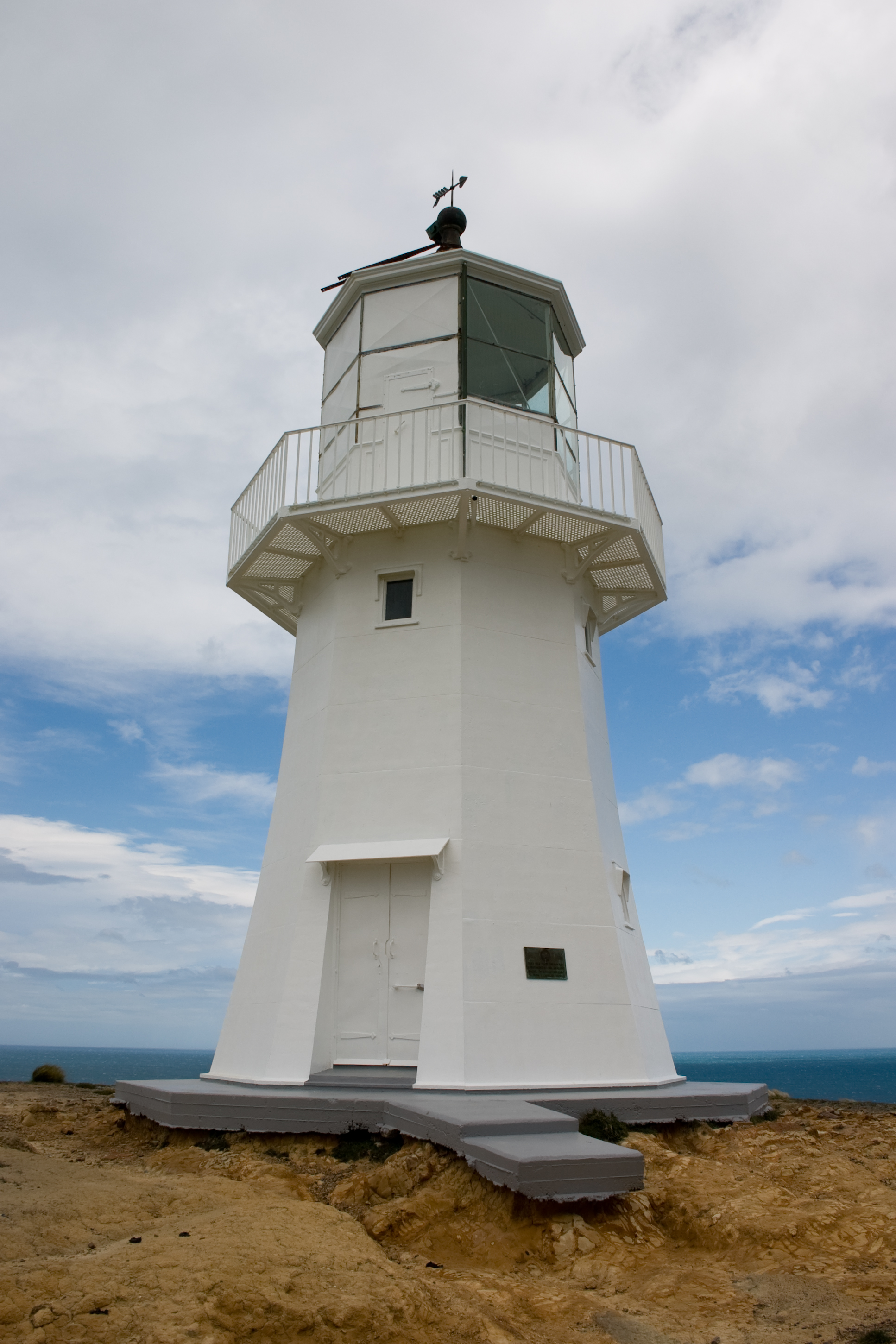
New Zealand’s first permanent lighthouse was born from wrecks, public pressure, a temporary cottage light, and an imported cast-iron kit, then became a story about fog, family, replacement, and the survival of a light as heritage.
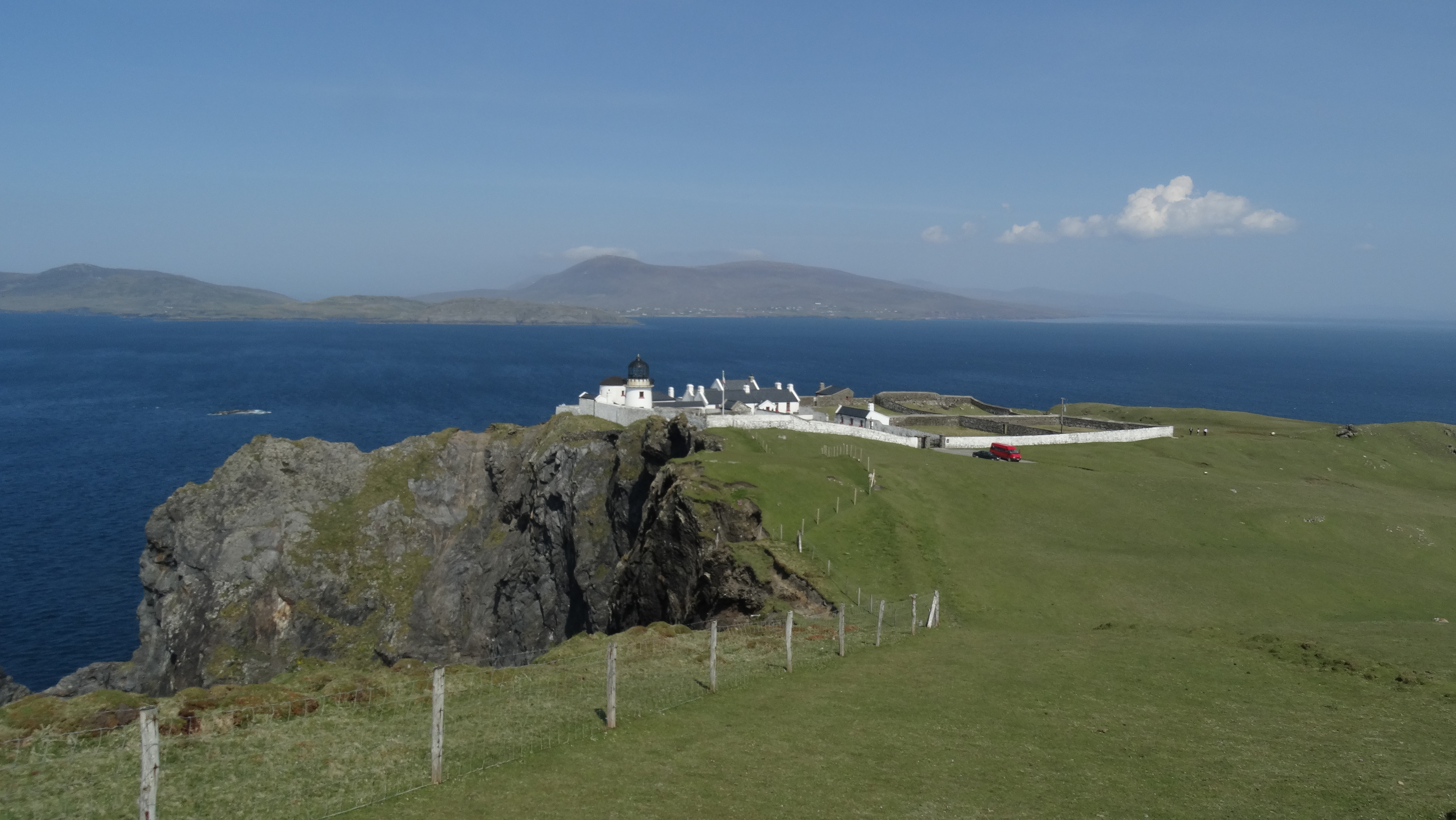
Clare Island, fog, fire, and the transfer of a light
Height promised reach but repeatedly placed Clare Island's light in fog and low cloud. The station survived when its navigational job moved to Achillbeg, leaving two tower generations and a new life within the same physical complex.
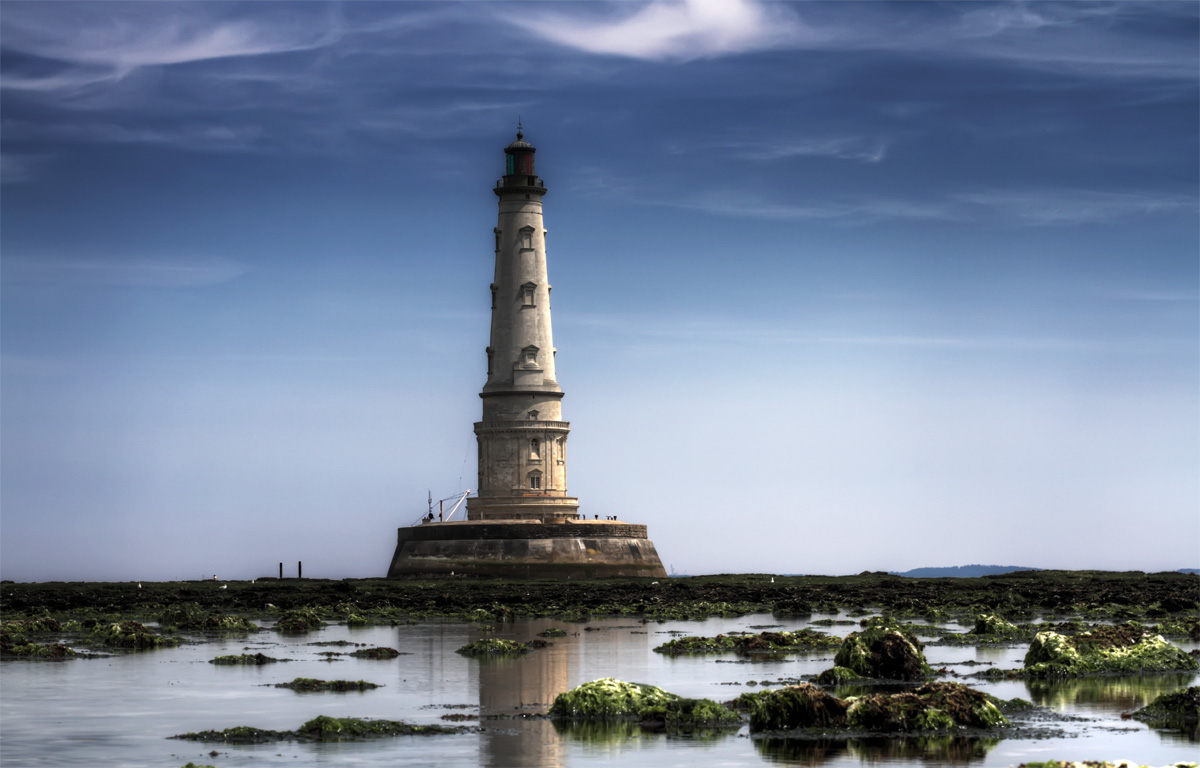
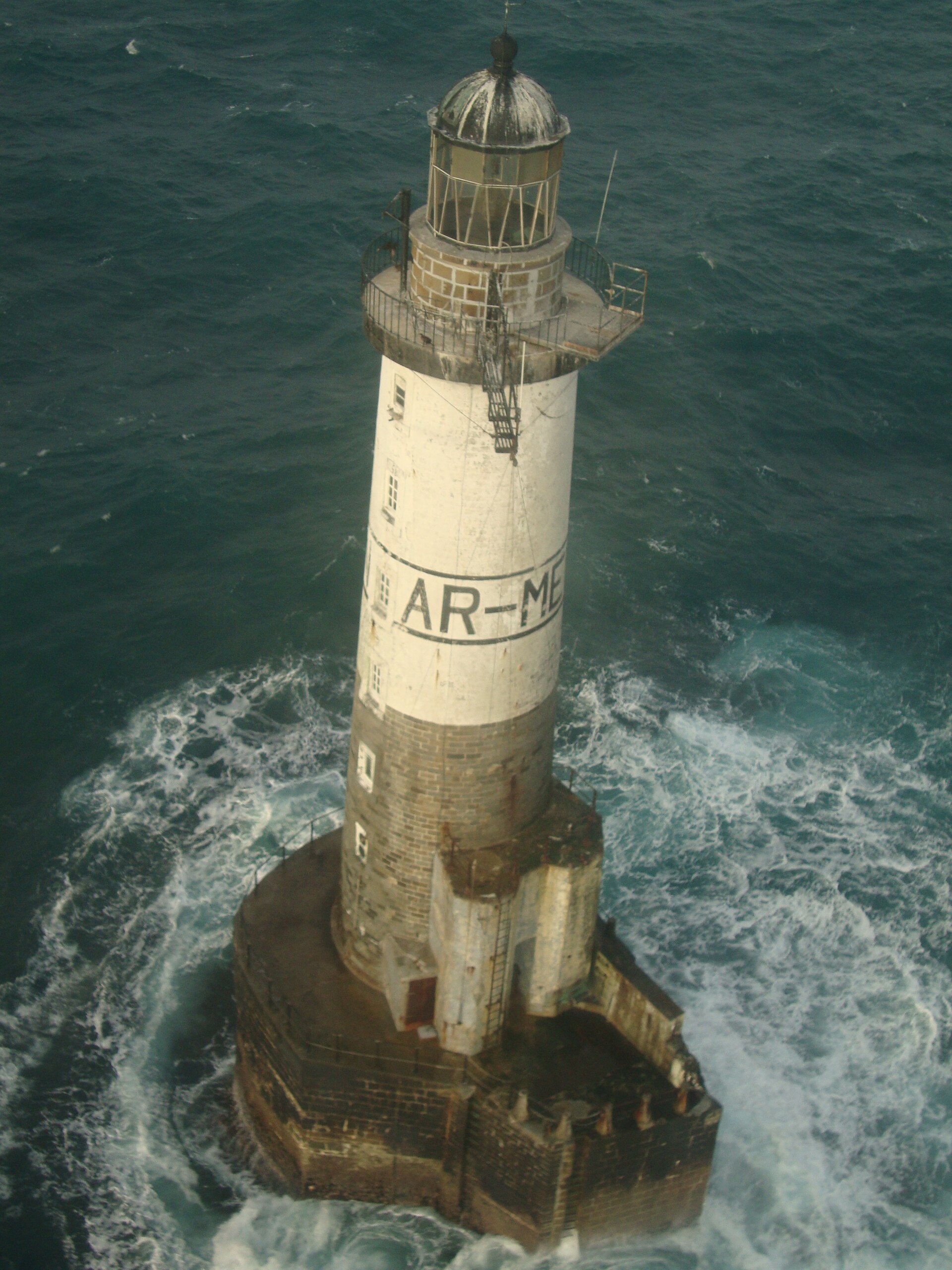
Keepers, auxiliaries, and electromechanicians in French lighthouse service
From Marie-Perrine Durand’s 1886 Rosédo appointment to women entering the electromechanician profession, the record shows labour becoming visible before it became secure.
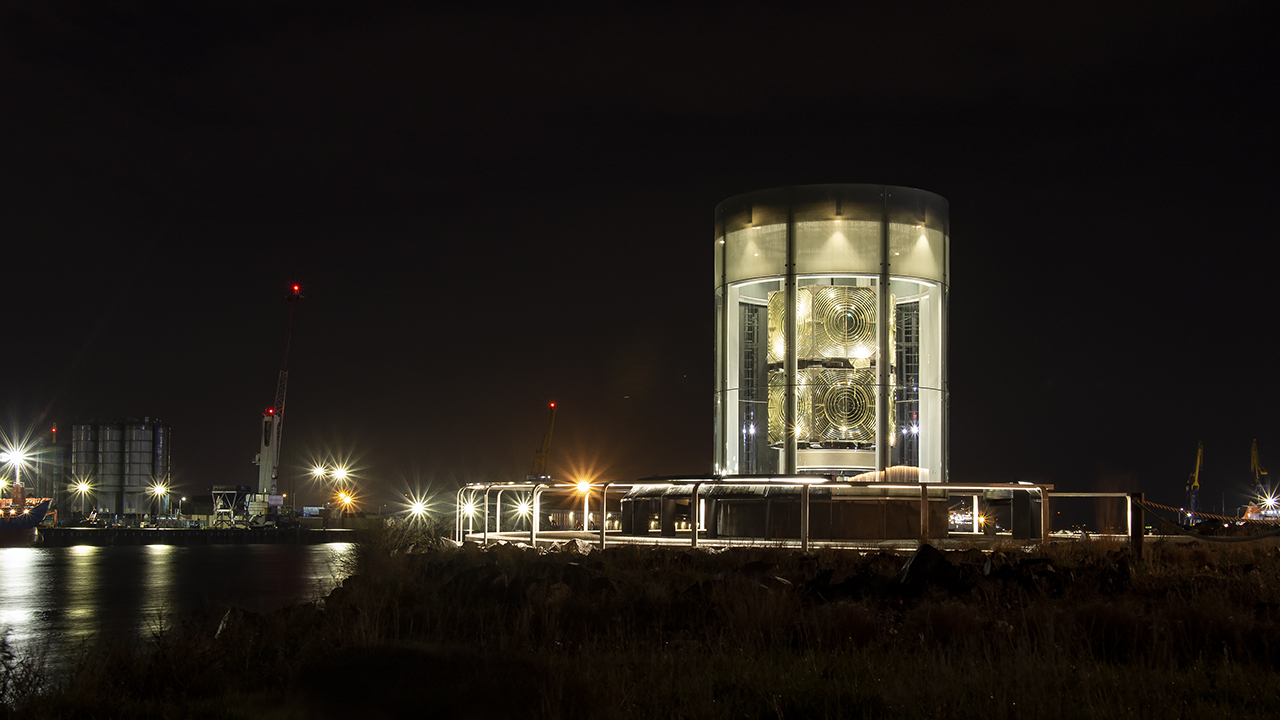 The Great Light, Belfast by Rossographer · CC BY-SA 2.0