Experience LUX Light Archive · a guided 5-minute story
When the tower disappears,
what survives?
A lighthouse can outlive its physical form. Follow one lost light to see how LUX keeps identity, evidence, movement and memory readable across time.
A presentation of accepted public Journey data — not a separate source of facts.
Act 1 · Vasilisin, Lake Onega
The tower is gone.
Its identity is not.
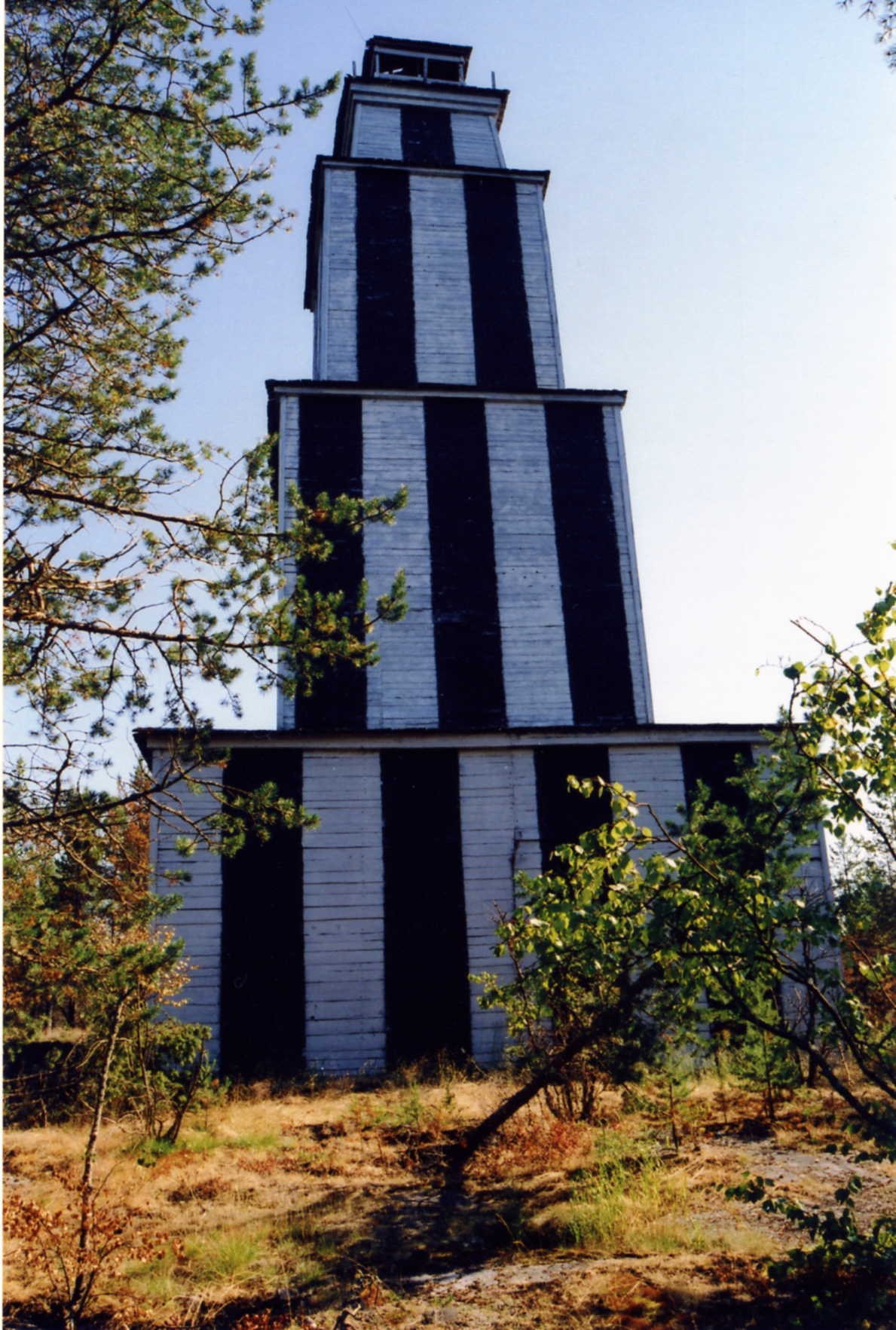
A striped wood tower on Vasilisin Island in Lake Onega was destroyed by ground fire circa 2011–2014. Archive sources, models, and a family preservation project keep its memory alive.

Documented form
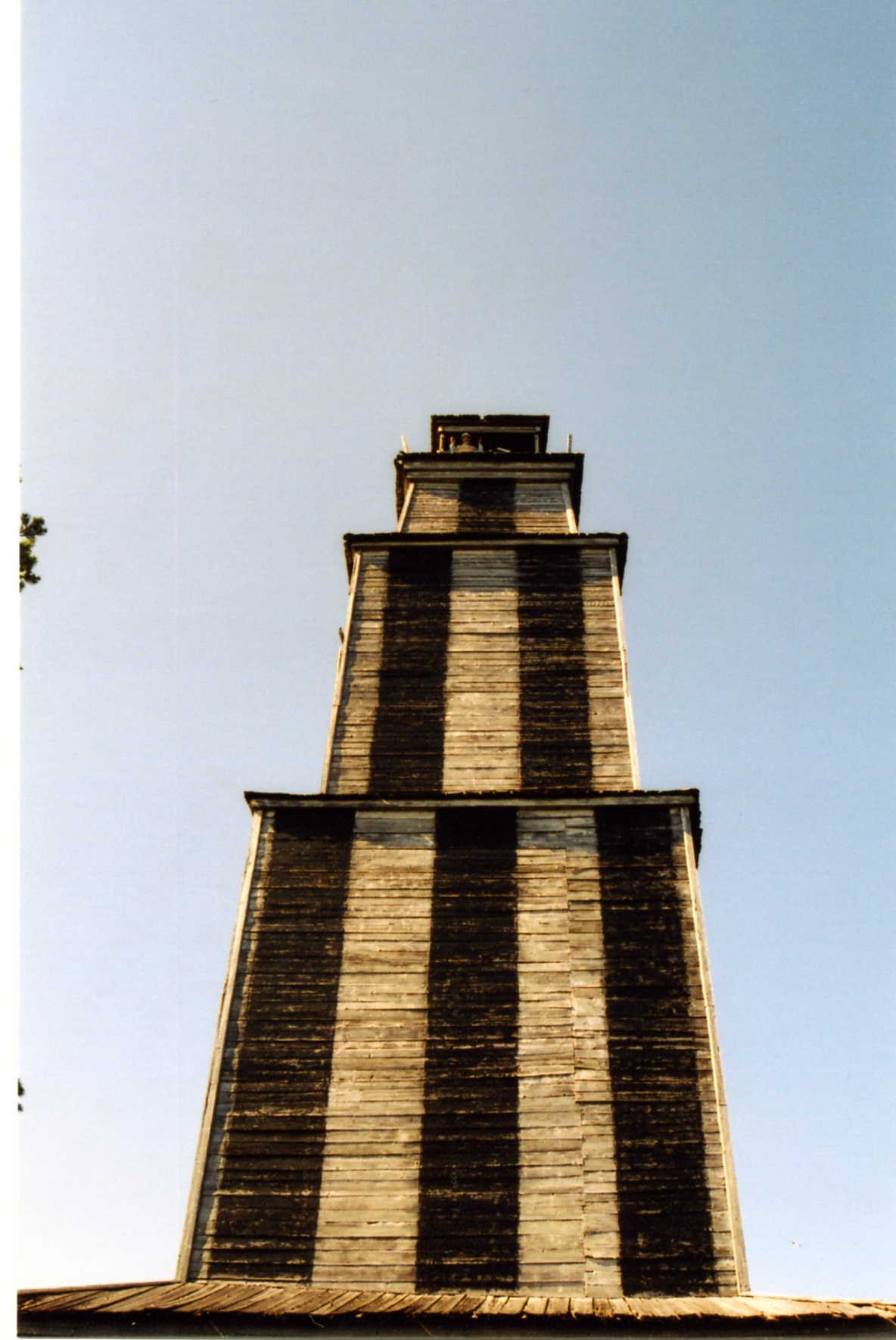
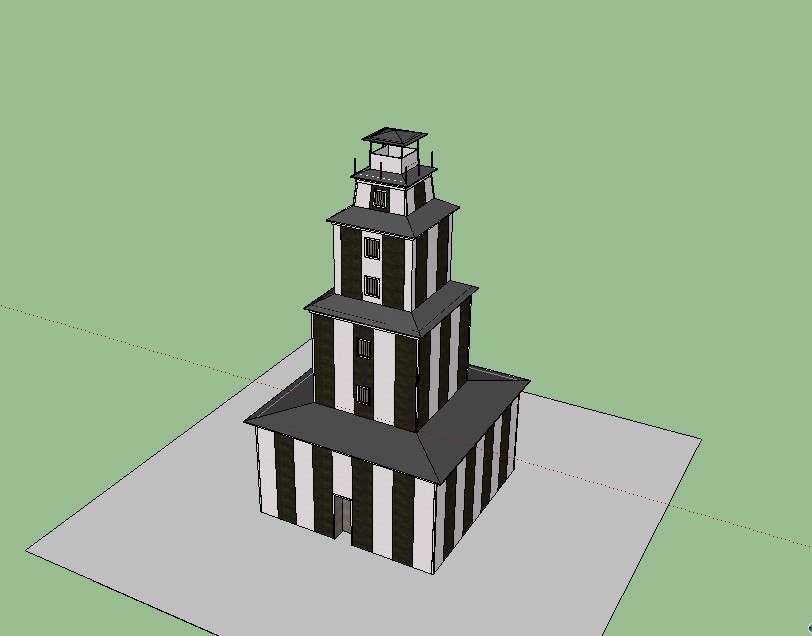
Striped wood tower
Archive records describe a four-stage square wooden tower, 24 m high, with black-and-white vertical stripes, a lantern, and gallery. Focal plane 33 m; visibility 8 miles.
Physical absence
Ground fire
Archive articles agree that a ground fire on the island destroyed the lighthouse. Sources differ on timing — approximately 2011–2012 versus 2014 — and the exact year remains open in Research mode.
Surviving memory
Models and memory
The Mayachnik project built accurate 1:200 and 1:100 models, produced a video walkthrough, and showed the lighthouse at the 2016 Lighthouse Festival in Petropavlovka — carrying what the tower no longer can.
Act 2 · From Story to Research
A moving story is not enough.
Story guides the reader through a reviewed path. Research exposes the sources, relationships, uncertainty and open questions behind the same Journey.
Story
“Archive articles agree that a ground fire on the island destroyed the lighthouse. Sources differ on timing — approximately 2011–2012 versus 2014 — and the exact year remains open in Research mode.”
The narrative preserves the disagreement instead of choosing a cleaner date.
ResearchInspect the evidence
Accepted Journey · open question visible
What remains unresolved
Exact destruction year — archive sources cite approximately 2011–2012 versus 2014.
Public source trail
- Василисин lighthouse record
- Маяк моряку - что тропа ходоку — Остров Василисин
- Модели маяков — Vasilisin models
Act 3 · One method, different forms of survival
Identity can continue in more than one way.
LUX keeps the station, structure, object, function, institution and Journey distinct — then records the evidence-backed relationships between them.
Form disappears
Vasilisin
Photographs, a dated mark, models and family memory keep a lost island light recognizable.
Follow the Journey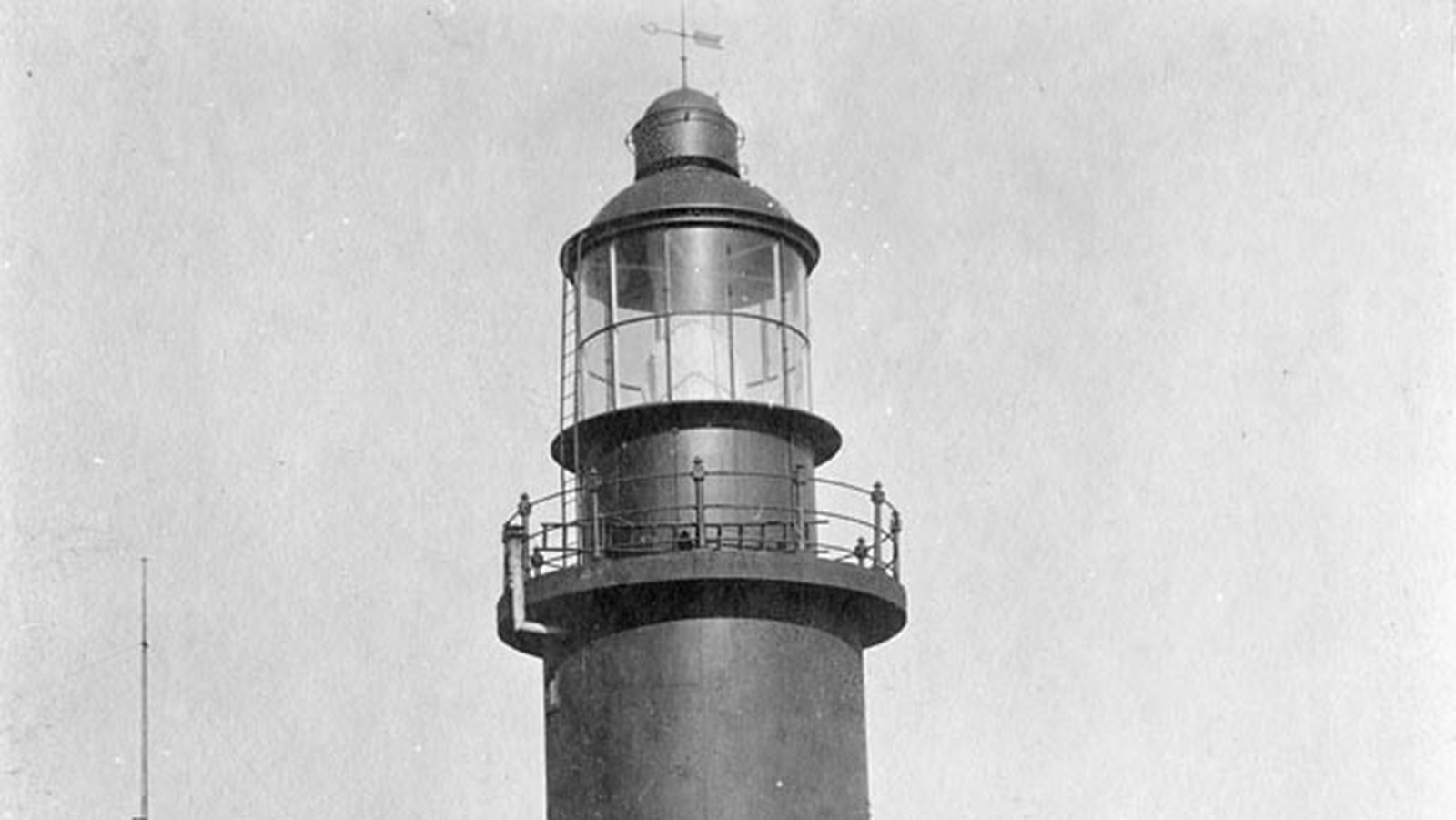
Structure moves
Cape North Tower
In 1980 the tower left Cape North and was transferred to Ottawa. The disputed lens remains outside the public story.
Follow the Journey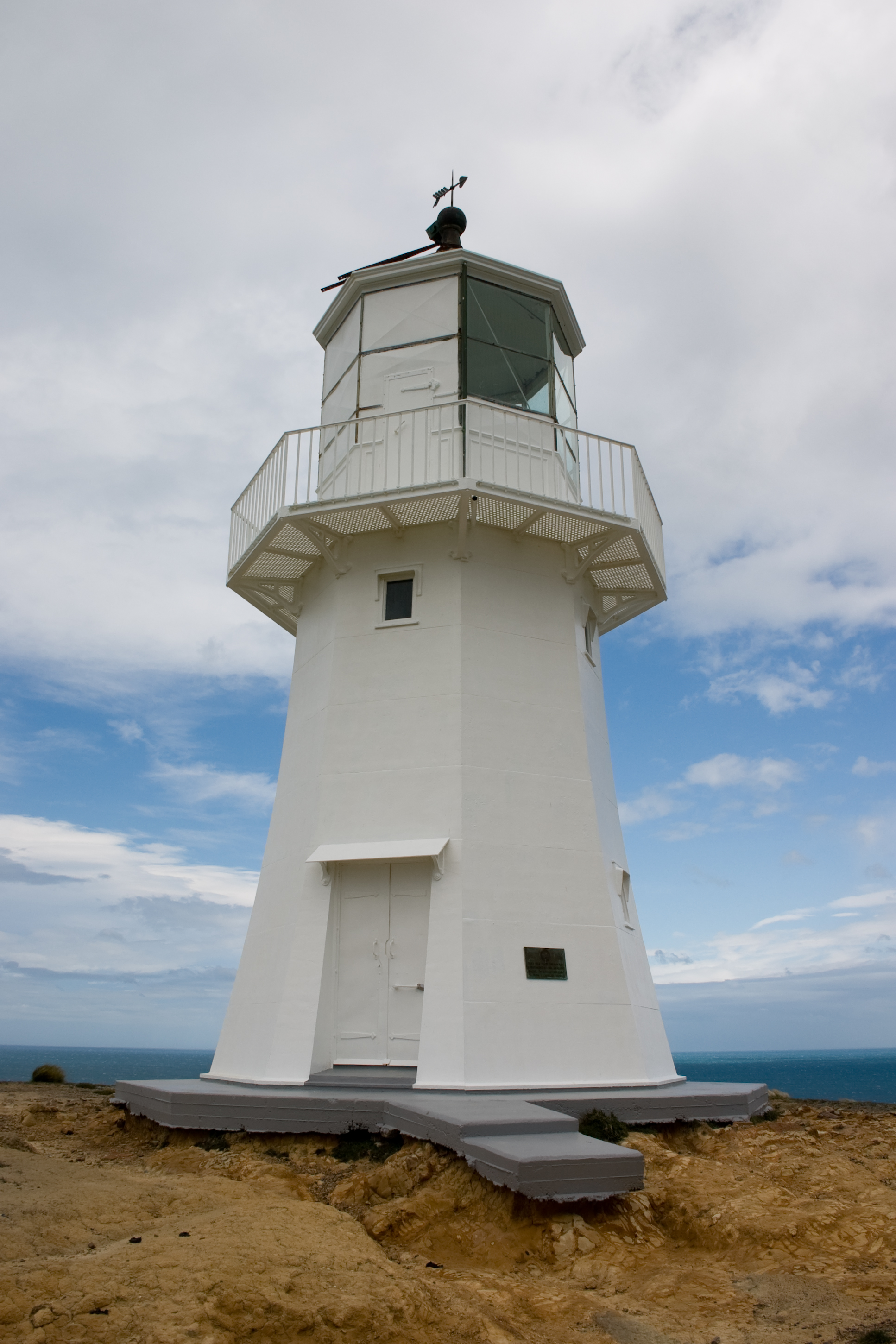
Function transfers
Pencarrow Head
When the new automated light at Baring Head became operational in 1935, Pencarrow’s upper light shifted from main approach light to day mark.
Follow the JourneyAct 4 · Living Evidence 3D
Enter what is documented.
Notice what is not.
Walk through physical absence, documented form, interpretative reconstruction, unresolved knowledge and surviving memory. Every station returns to the same Story and Research evidence.
The 3D chapter is optional, visibly interpretative and loaded only after you choose to enter.
Enter Living Evidence 3DLUX Light Archive
Keeping lighthouse heritage recognizable across change.
Stable objects remain distinct while their relationships change.
Built, moved, replaced, lost and preserved states stay readable through time.
Sources, review state and uncertainty remain inspectable.
What no longer stands can remain discoverable without becoming spectacle.